
October 2026 Version.
Most excursions will introduce you to the charm, history, and natural beauty of the Jura region. For cheese and double cream lovers, we will extend our area to Gruyère. These outings will offer you numerous opportunities to explore, learn, and photograph some of the most beautiful sites in our region.
La plupart des excursions vous feront découvrir le charme, l’histoire et la beauté naturelle de l’arc jurassien. Pour les amateurs de fromage et de crême double, nous élargirons notre zone jusqu’à la Gruyère. Ces sorties vous offriront de nombreuses occasions d’explorer, d’apprendre et de photographier certains des plus beaux sites de notre coin de pays.
Die meisten Ausflüge führen Sie in den Charme, die Geschichte und die Naturschönheit des Jura ein. Für Käse und Doppelrahm Lieber erweitern wir unser Angebot bis nach Gruyère. Diese Ausflüge bieten Ihnen zahlreiche Gelegenheiten, einige der schönsten Orte unserer Region zu entdecken, zu lernen und zu fotografieren.
Maison du Gruyère and Village of Gruyères (We 11/8, 8h30-18h30, 80 CHF with eat & drink) – Not much walking.
Nestled at the foot of the Fribourg Pre-Alps near the Moléson mountain, Gruyères is located in the heart of the Gruyère region of French-speaking Switzerland. This medieval town, seemingly untouched by time, is part of the network of the most beautiful villages in Switzerland. In 2021, Gruyères was awarded the title of Best Tourism Village, officially recognized by the UNWTO (United Nations World Tourism Organization).

We will begin by visiting the Maison du Gruyère to learn about Gruyere cheese production. We will have lunch there, then walk up to the village. You will be charmed by its medieval character, its cobbled pedestrian streets, its 13th-century castle, and its local products such as the double cream.
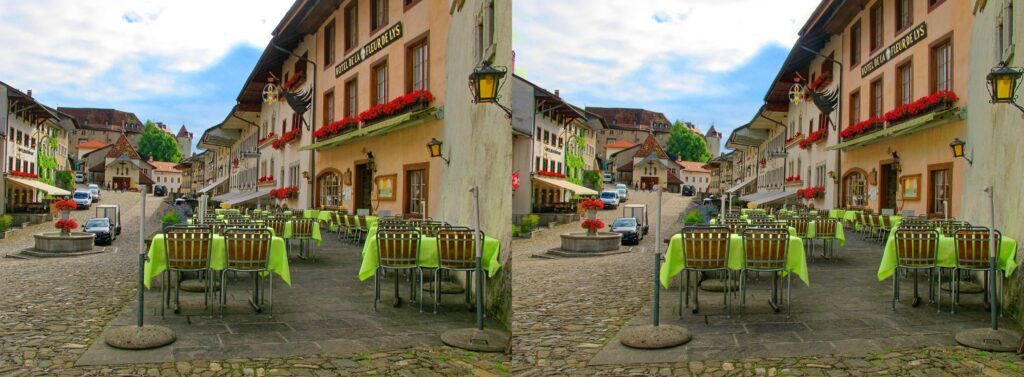
As an optional extra, you can visit the HR Giger Museum, dedicated to the famous Swiss artist who created the entire Alien films universe. There is an entrance fee, but you can also simply enjoy a drink at HR Giger Bar and soak up the distinctive atmosphere.

Boat trip on the Doubs (We 11/8, 10h00-16h00, 80 CHF with eat & drink) – Not much walking. In case of low water levels, there are 15 meters of stairs to reach the boat.
What could be more unique than having lunch aboard a boat, in the heart of the Doubs River canyons, with the scenery constantly changing, cruising along the French-Swiss border from Villers-le-Lac to the Saut du Doubs waterfall, passing by the Brenets lake?
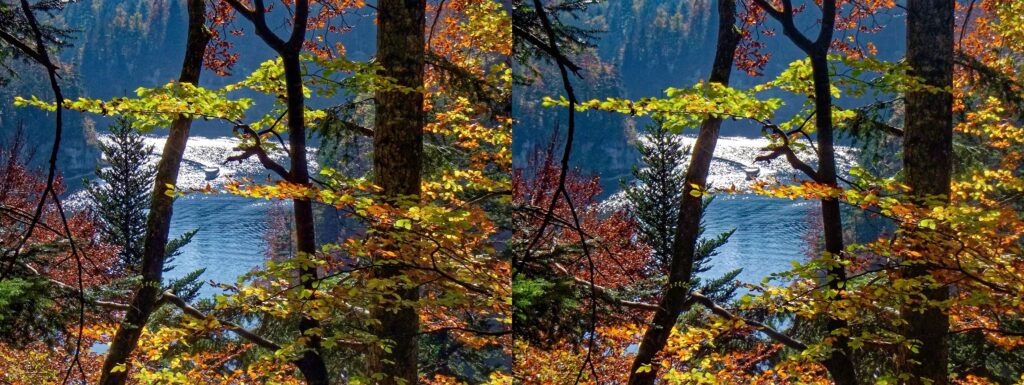
As water levels have been low in recent years, the canyons are even higher and more impressive!

The boat’s departure point may therefore change and may require a 400-meter walk and a descent of 49 steps to reach the boat. Wear comfortable shoes, which will also be useful for visiting the Saut du Doubs waterfall.

In the event of severe drought, navigation may be disrupted and the navigable areas reduced, but the trip will still take place.

Camille Bloch chocolate factory, Courtelary (Th 12/8, 13h30-17h00, 30 CHF) – Not much walking.
The chocolatier Camille Bloch created two extremely well-known products, the Ragusa and the Torino, and continues to innovate to satisfy chocolate lovers.

For example, the Ragusa was first made in 1942, a time when raw materials such as cocoa were in short supply. Instead of just adding nuts to the cocoa mass, Camille Bloch made a filling out of ground hazelnuts, added whole hazelnuts for extra crunchiness, and filled it into a thin shell of chocolate. He then cut the chocolate into practical 50g bars.
During the visit, you will discover Camille Boch’s history, see two demonstrations of chocolate making, and of course, taste the products!
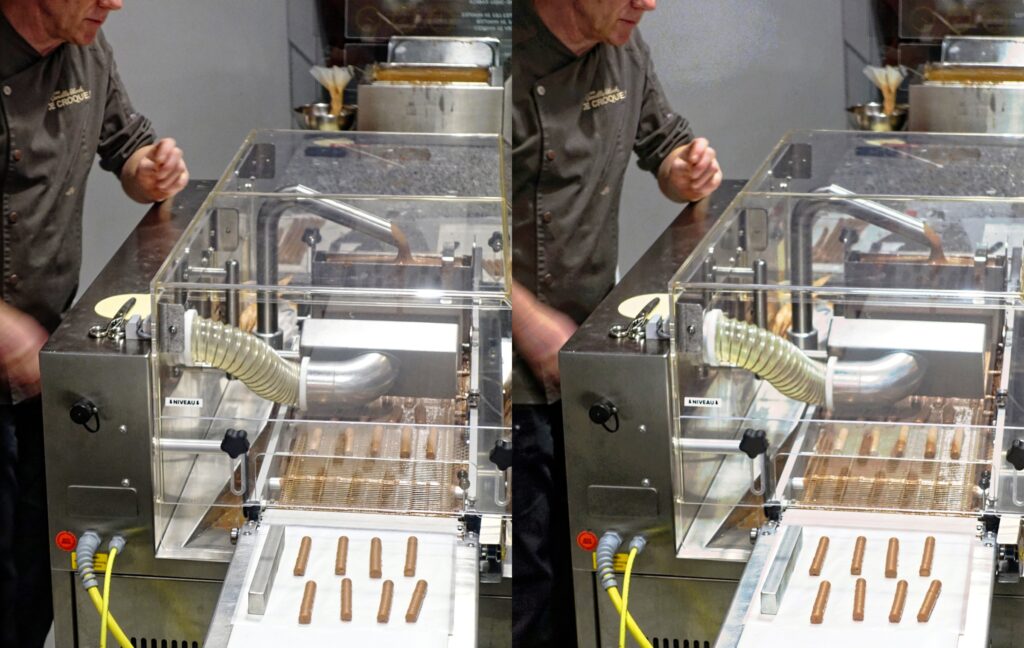
For those interested, a very well-stocked shop and a bistro await you at the exit.

Nature walk at Le Creux-du-Van, Val-de-Travers (Th 12/8, 13h00-17h30, 30 CHF) – A lot of walking.
The layers of limestone that form the extraordinary rocky cirque of Creux-du-Van were deposited by a primeval sea nearly 200 million years ago. The glacier, through alternating freezing and thawing, and later streams, sculpted this spectacular amphitheater, a geological feature typical of the Jura mountain range’s folding.
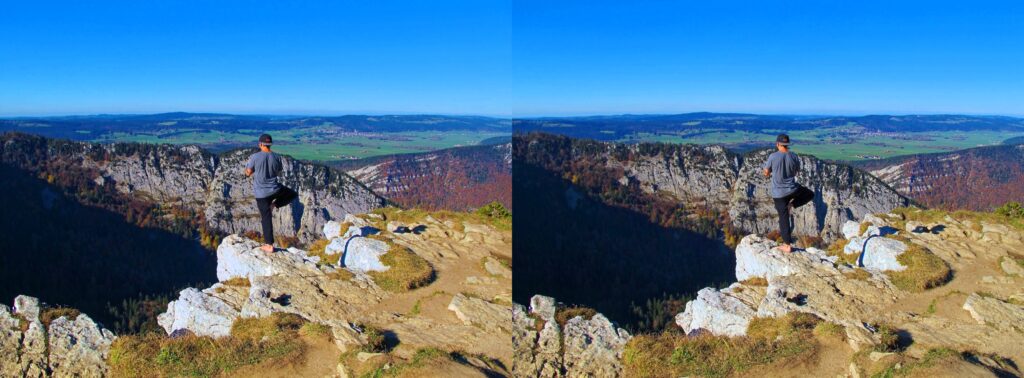
The entire vast rocky cirque, 200 meters high, is unprotected by any barriers. Those prone to vertigo should refrain from entering or avoid walking too close to the edge of the ravine. Pay particular attention to the path, which can become slippery (mud, wet grass).

The Farmhouse of The Soliat, located near the bus parking area, offers snacks and drinks for those who are quicker… or less inclined to walk!


Model railway Kaeserberg, Fribourg (Fr 13/8, 12h00-18h00, 50 CHF with afternoon snack) – Not much walking.
The Kaeserberg Railway is a Swiss museum housing a 610-square-meter day/night model railway spread over three levels. The layout comprises 2,045 meters of HO scale (1/87th) track. The Kaeserberg Railway took seventeen years to build.
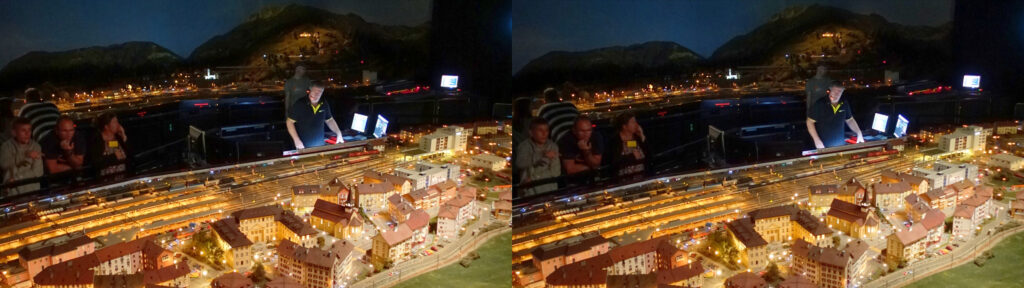
It tells the story of daily life in the last decade of the twentieth century. Each part of the model is an episode in a richly detailed story, transporting visitors to a world that lies between dream and reality. A time when mobile phones were found in the homes of a privileged few, train stations had their own managers, and mail traveled by train to the village.

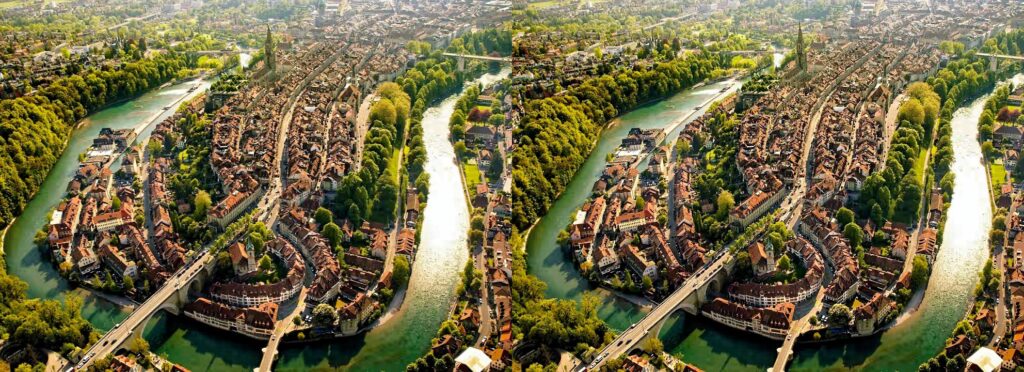
Visit to Bern, the capital of Switzerland (Fr 13/8, 12h00-18h00, 50 CHF with afternoon snack) – A lot of walking.
Bern is one of the most beautiful cities in Switzerland, with its Old Town having been a UNESCO World Heritage Site since 1983. You will arrive via the Rose Garden, admiring the breathtaking view of the Old Town. After crossing the Aare River on the imposing Nydegg Bridge, you will then pass through the typical arcades and marvel at the vaulted cellars housing studios, bars, and shops. You will pass by the Parliament Building, the Zytglogge (Clock Tower), the Cathedral, and numerous historic fountains such as the Zähringen Fountain and the Ogre Fountain. On the return journey, a snack will await you at the famous Bear Park before you board the bus again.
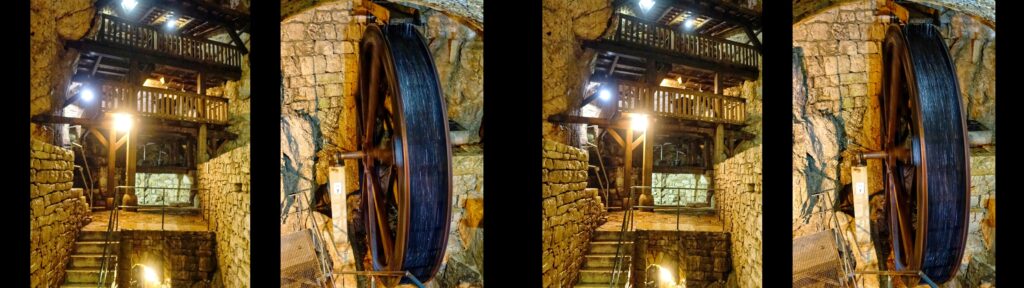
Château des Monts watch museum & Underground water mills, Le Locle (Mo 16/8, 13h30-17h30, 25 CHF) – Lots of stairs.
The Locle Watchmaking Museum, founded in 1849, originated as a cabinet of curiosities. In 1858, its eclectic collections were transferred to the Industrial School, showcasing various curiosities but neglecting art and watchmaking. In 1868, with the opening of the Locle School of Watchmaking, the valuable watch collections found their home for educational purposes. In 1959, the Locle Watchmaking Museum, now firmly rooted in its watchmaking heritage, moved to the Château-des-Monts, a venerable building located on the town’s heights.

Today, the Watchmaking Museum invites you to discover the spirit of the patrician villas of the Neuchâtel Mountains and the history of the building and its previous owners on the ground floor, the timepieces of the collectors on the first floor, and a philosophical approach to the measurement of time on the second floor.

The natural grotto was converted into water-powered underground mills in 1653 and 1660, and contains remnants of 17th, 18th and 19th-century installations. The reconstituted multi-storey flour mill is powered by water. This site, the only one of its kind in Europe, gives visitors an insight into a rich and little-known regional history. The permanent exhibition presents the history of the site, as well as its key themes: agriculture, milling, baking, water power, electricity and the frontier.
La Chaux-de Fonds city trip with tourist train (Monday, Wednesday & Saturday, 14h/15h/16h, free voucher). Le Locle city trip with tourist train (Thursday & Sunday, 14h/15h, free voucher).
The tourist train tour departs from Place Espacité and lasts approximately 40 minutes. In 2027, a new electric train equipped with multilingual headsets will enter service for an even more comfortable experience.
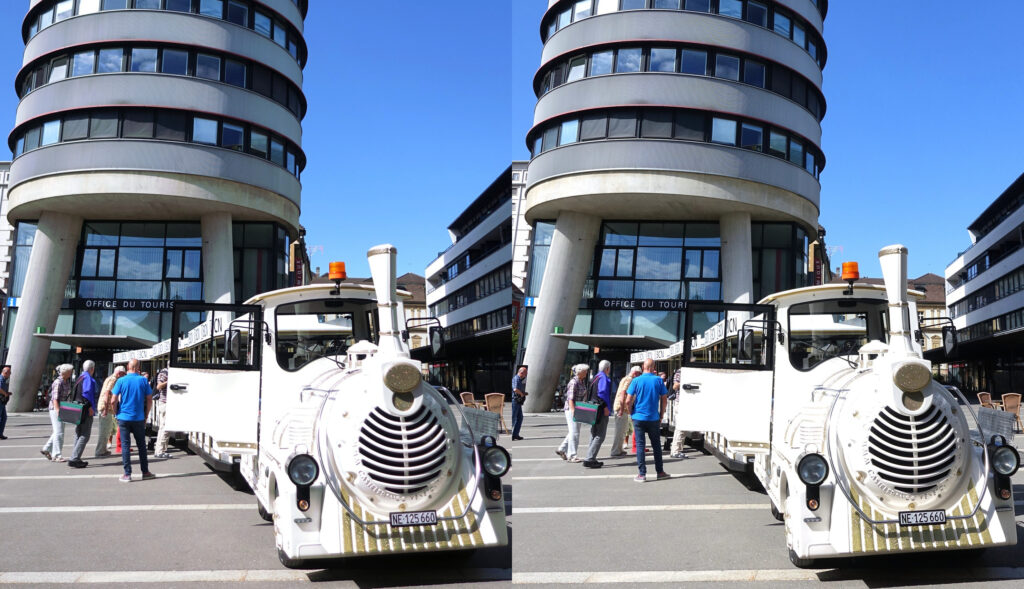
Effortlessly and comfortably seated, explore every corner of the city, immersing yourself in the symbiosis between urban planning and watchmaking. This unique tour also offers a glimpse into Art Nouveau treasures and Le Corbusier villas such as La Maison Blanche.

Another day, another town, but still in the Neuchâtel mountains. The train climbs through narrow streets towards the heights of Le Locle, a sister town of watchmaking. It offers a panoramic view of the evolution from the old farm-workshops to the modern factories.

The Neuchâtel Tourist Card, known as the NTC, is a guest card issued free of charge and automatically sent to all persons (adults and children) staying at least one night in a hotel or parahotel establishment (campground, bed and breakfast, holiday apartment or house, and group accommodation) in the Canton of Neuchâtel. With the NTC, you can enjoy around forty activities and free public transport throughout the Canton of Neuchâtel for the entire duration of your stay.